
If you have been struck down by sudden vomiting and diarrhoea, you may be dealing with norovirus. Often called the winter vomiting bug, norovirus is one of the most common stomach infections in the UK and spreads rapidly through families, schools and workplaces. Understanding norovirus symptoms and treatment UK guidance helps you manage the illness effectively and know when to seek medical help. At Abbey Wood Hospital’s GP Services, we provide expert advice and care for patients experiencing this unpleasant but usually short-lived infection.
In This Article
This comprehensive guide covers everything you need to know about norovirus symptoms and treatment UK residents should follow, from managing symptoms at home to recognising warning signs that require urgent medical attention.
What Is Norovirus?
Norovirus is a highly contagious virus that causes gastroenteritis, which is inflammation of the stomach and intestines. According to the NHS, it causes vomiting and diarrhoea and can be very unpleasant, but usually gets better within two to three days. The World Health Organization estimates there are approximately 685 million cases of norovirus globally each year, making it one of the most common causes of acute gastroenteritis worldwide.
Although commonly called the winter vomiting bug because cases typically peak between November and April, you can catch norovirus at any time of year. The virus spreads easily through communities, making outbreaks common in settings where people have close contact such as hospitals, care homes, schools and nurseries. Our Urgent Care Centre sees increased cases during winter months when the virus circulates most actively.
How Norovirus Spreads
Understanding how norovirus spreads helps explain why it affects so many people so quickly. The virus transmits through contact with an infected person, touching contaminated surfaces or objects, and consuming contaminated food or water. Only a small number of virus particles are needed to cause infection, which is why outbreaks spread rapidly through households and institutions.
As noted by the UK Health Security Agency, norovirus can survive on surfaces for days or weeks, which is one of the key reasons the virus spreads so easily through communities. You can catch norovirus more than once because multiple types of the virus circulate at any given time, and immunity to one strain does not protect against others.
Recognising Norovirus Symptoms
Norovirus symptoms typically appear suddenly, usually within 12 to 48 hours after exposure to the virus. The illness often begins with a sudden onset of nausea followed by projectile vomiting. Understanding norovirus symptoms and treatment UK guidelines recommend helps you respond appropriately when illness strikes.
The main symptoms of norovirus include sudden onset of nausea, projectile vomiting, watery diarrhoea, a raised temperature, headache, stomach cramps, and aching limbs. Some people experience vomiting without diarrhoea, while others have diarrhoea without vomiting. In mild cases, nausea may be the only symptom.
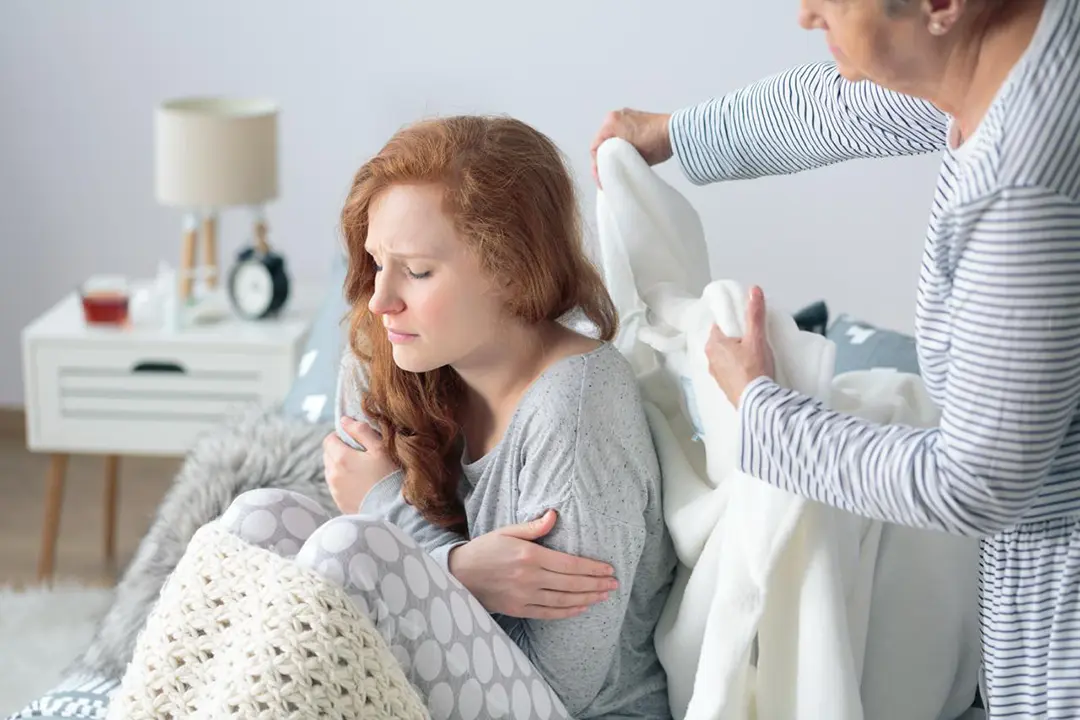
Managing norovirus at home focuses on rest, hydration and symptom relief while the virus runs its course.
Symptom Severity and Duration
People often look and feel very unwell when they have norovirus, but most recover quickly with proper care. The vomiting can be quite forceful and distressing, occurring multiple times over a short period. Diarrhoea is typically watery rather than bloody. While the symptoms are unpleasant, they generally resolve without medical treatment in otherwise healthy adults.
The NHS Inform Scotland notes that symptoms usually last for up to two to three days. During this time, the main concern is preventing dehydration from fluid loss through vomiting and diarrhoea.
How Long Does Norovirus Last?
For most people, norovirus symptoms last between one and three days. You will usually start to feel better within two to three days of symptoms beginning. However, some individuals may experience diarrhoea that lasts slightly longer even after other symptoms have resolved.
An important point about norovirus symptoms and treatment UK health authorities emphasise is the 48-hour rule. You remain infectious while symptomatic and for up to 48 hours after your symptoms stop. This means you should stay at home and avoid contact with others for at least two full days after your last episode of vomiting or diarrhoea.
Norovirus vs Food Poisoning: Understanding the Difference
Many people confuse norovirus with food poisoning because the symptoms overlap significantly. However, there are key differences that can help distinguish between them.
Food poisoning symptoms typically appear within six hours of eating contaminated food and often resolve within 12 to 48 hours. With food poisoning, there is usually a clear connection to a specific meal or food source. In contrast, norovirus symptoms generally appear 12 to 48 hours after exposure and typically last at least 48 hours, often extending to three days.
The treatment approach is similar for both conditions, focusing on rest and hydration. However, identifying the cause can be helpful for preventing spread. If several people who ate the same food become ill, food poisoning is more likely. If illness spreads through a household over several days, norovirus is the more probable cause. For guidance on managing children’s viral illnesses, our article on flu symptoms in children provides helpful information about when to seek urgent care.
Treatment at Home: Managing Norovirus Symptoms
There is no specific cure for norovirus, and antibiotics will not help because the illness is caused by a virus, not bacteria. Treatment focuses on managing symptoms and preventing dehydration while your body fights off the infection. Most people can manage norovirus symptoms and treatment UK guidance recommends without visiting a doctor.
Staying Hydrated
The most important aspect of treatment is maintaining hydration. Vomiting and diarrhoea cause your body to lose fluids and essential salts rapidly. Drink plenty of water, taking small sips frequently rather than large amounts at once. This approach reduces the likelihood of triggering further vomiting.
Oral rehydration solutions, available from pharmacies, provide the correct balance of water, salt and sugar to help your body rehydrate effectively. These are particularly useful for children and older adults who are at higher risk of dehydration. If you are breastfeeding, continue to feed your baby as normal but offer feeds more frequently.
Rest and Nutrition
Rest is essential for recovery. Your body needs energy to fight the infection, so avoid strenuous activities until you feel better. When your appetite returns, start with bland foods that are easy to digest such as toast, crackers, bananas and rice. Avoid fatty, spicy or dairy-rich foods until your symptoms have fully settled.
Pain Relief
Paracetamol can help relieve fever, headache and body aches associated with norovirus. However, avoid ibuprofen if you are dehydrated or vomiting heavily, as it can irritate the stomach and strain your kidneys. Do not give aspirin to children under 16 years of age.
Anti-diarrhoea medications such as loperamide are generally not recommended because diarrhoea helps clear the virus from your body. These medicines should not be given to children under 12 years old.
When to Seek Medical Help
While most cases of norovirus resolve without medical intervention, certain situations require professional assessment. Understanding when to seek help is an important part of managing norovirus symptoms and treatment UK healthcare providers recommend.
Contact NHS 111 or your GP by telephone if you or your child still have signs of dehydration after using oral rehydration sachets, you or your child keep being sick and cannot keep fluids down, you or your child have bloody diarrhoea or bleeding from the bottom, your child has diarrhoea for more than seven days or vomiting for more than two days, or your baby has fewer wet nappies than usual.
Emergency Warning Signs
Seek urgent medical attention at our Urgent Care Centre or call 999 if vomit contains blood or looks like ground coffee, vomit is green in adults or yellow-green in children, you experience a stiff neck and sensitivity to bright light, you have a sudden severe headache or stomach ache, or you suspect poisoning.
Signs of severe dehydration requiring urgent attention include producing little or no urine, feeling unusually tired or confused, a rapid heartbeat, cold hands and feet, and skin that does not bounce back when pinched. In babies, look for a sunken soft spot on the head, few or no tears when crying, and unusual drowsiness or irritability.
Preventing the Spread of Norovirus
Because norovirus spreads so easily, taking steps to prevent transmission protects your family and community. The virus is resistant to alcohol-based hand sanitisers, so thorough hand washing with soap and warm water is essential.
Essential Hygiene Measures
Wash your hands frequently with soap and warm water, particularly after using the toilet, before preparing or eating food, and after caring for someone who is ill. Do not rely on alcohol hand gels alone as they do not effectively kill norovirus. Clean contaminated surfaces with bleach-based cleaning products, as the virus can survive on surfaces for extended periods.
Wash any clothing or bedding that may be contaminated separately from other laundry at 60°C to ensure the virus is killed. Flush away any vomit or diarrhoea in the toilet and clean the surrounding area thoroughly with a bleach-based cleaner. If possible, wear disposable gloves when handling contaminated items.
The 48-Hour Rule
Stay at home and avoid contact with others until at least 48 hours after your symptoms have stopped. Do not prepare food for others during this time as norovirus can spread through contaminated food. Children should not return to school or nursery until 48 hours after their last symptoms.
Importantly, do not visit hospitals, care homes or GP surgeries while you have symptoms or within 48 hours of recovery. Spreading norovirus to vulnerable patients can cause serious complications. If you need medical advice, telephone NHS 111 or your GP practice rather than visiting in person.
Children and Vulnerable Groups
While norovirus affects people of all ages, certain groups face higher risks of complications. Young children, older adults and people with weakened immune systems are particularly vulnerable to dehydration and may require closer monitoring or medical intervention.
Managing Norovirus in Children
Children can become dehydrated more quickly than adults. Watch for signs such as fewer wet nappies, dry mouth and lips, sunken eyes, and unusual drowsiness or irritability. Offer frequent small sips of water or oral rehydration solution. Continue breastfeeding if applicable, offering feeds more frequently than usual.
Avoid giving sports drinks or fizzy drinks to children with norovirus as these do not contain the right balance of salts and sugars. Our GP Services can provide telephone advice if you are concerned about your child’s symptoms. For parents dealing with sick children, our guide on flu symptoms in children and urgent care offers helpful guidance on managing viral illnesses at home.
Older Adults and Those with Health Conditions
People aged 65 and over are at increased risk of severe dehydration from norovirus. Current UK Health Security Agency data shows that norovirus rates are highest among individuals in this age group. Older adults should be particularly vigilant about maintaining fluid intake and seeking medical help if symptoms persist beyond two days.
Those with underlying health conditions such as diabetes, kidney disease or heart problems may need closer monitoring during norovirus infection. If you take regular medications, contact your GP or pharmacist for advice as vomiting and diarrhoea may affect medication absorption. Understanding norovirus symptoms and treatment UK guidance for vulnerable groups can help prevent serious complications.
Current Norovirus Situation in the UK
Norovirus activity varies throughout the year, with cases typically increasing during winter months. According to the latest UKHSA surveillance data from January 2026, norovirus laboratory reports were 27.6 per cent higher than the five-season average for the same period. Cases increased by 46.5 per cent compared to the previous two-week period.
Hospital outbreaks have also risen, with an average of 567 hospital beds occupied daily by patients with diarrhoea and vomiting during January 2026. The predominant strain currently circulating is GII.4, which has been the most common genotype since 2012.
These figures highlight the importance of following prevention measures, particularly during peak winter months. If you develop symptoms, staying home and following proper hygiene practices helps protect others and reduces pressure on healthcare services. Similar to other viral infections, understanding how infections spread within families helps contain outbreaks. Our article on glandular fever symptoms in adults provides additional context on managing contagious viral illnesses.
Frequently Asked Questions
How long am I contagious with norovirus?
You are most contagious while experiencing symptoms and for up to 48 hours after your last episode of vomiting or diarrhoea. During this time, you should stay at home, avoid preparing food for others and avoid visiting hospitals or care homes to prevent spreading the infection.
Can I take anti-sickness medication for norovirus?
Anti-sickness medications are not routinely recommended for norovirus. Your body uses vomiting as a way to expel the virus. If you are struggling to keep fluids down, contact NHS 111 or your GP for advice. Paracetamol can help with fever and aches, but avoid ibuprofen if you are dehydrated.
Why does alcohol hand gel not work against norovirus?
Norovirus is a non-enveloped virus, which makes it resistant to alcohol-based sanitisers. Washing hands thoroughly with soap and warm water for at least 20 seconds is required to physically remove the virus from your hands. This is particularly important after using the toilet and before handling food.
Can I catch norovirus more than once?
Yes, you can catch norovirus multiple times. Several different strains of the virus circulate, and immunity to one strain does not protect you against others. You may also lose immunity to a particular strain over time, making reinfection possible.
Is there a vaccine for norovirus?
As of January 2026, there is no approved vaccine for norovirus in the UK. However, several vaccine candidates are in clinical trials, including an mRNA vaccine from Moderna currently in Phase 3 trials. Prevention currently relies on good hand hygiene and avoiding contact with infected individuals.
When should I take my child to the doctor with norovirus?
Seek medical advice if your child shows signs of dehydration such as fewer wet nappies, dry mouth or unusual drowsiness. Contact NHS 111 if vomiting continues for more than two days, diarrhoea lasts more than seven days, there is blood in the stool, or your child cannot keep fluids down despite small frequent sips.
Get Expert Help When You Need It
Most cases of norovirus resolve within a few days with home care and proper hydration. However, if you are concerned about your symptoms or those of a family member, professional medical advice provides reassurance and ensures you receive appropriate care. Understanding norovirus symptoms and treatment UK guidance helps you make informed decisions about when to manage illness at home and when to seek help.
Our team at Abbey Wood Hospital’s GP Services can provide telephone consultations for norovirus-related concerns, helping you avoid spreading the infection while still accessing expert medical advice. For urgent symptoms, our Urgent Care Centre offers prompt assessment and treatment.
Contact Abbey Wood Hospital at Page Street, Mill Hill, London NW7 2ED. We are open 8am to 8pm Monday to Friday and 9am to 6pm at weekends. Call 020 8358 7100 or book an appointment online. If you have active norovirus symptoms, please telephone before visiting to receive appropriate guidance.
This article provides general health information and does not constitute medical advice. If you are concerned about symptoms of norovirus or dehydration, please contact NHS 111 or your healthcare provider for personalised guidance.