
Many women feel unhappy with how their breasts look or feel. Some experience physical discomfort from large, heavy breasts. Others notice sagging after pregnancy, weight loss, or ageing. Both concerns are valid reasons to consider breast surgery, but which procedure is right for you? At Abbey Wood Hospital, our consultant plastic surgeon helps women understand their options and choose the procedure that best suits their body and goals.
In This Article
- Understanding the Difference
- What Is a Breast Uplift?
- What Is a Breast Reduction?
- Which Procedure Do You Need?
- Can You Combine Both Procedures?
- Surgical Techniques and Scarring
- Recovery and Aftercare
- Risks and Complications
- NHS Funding and Private Options
- Cost of Breast Surgery in the UK
- Why Choose Abbey Wood Hospital
- Frequently Asked Questions
This guide compares breast uplift and breast reduction surgery, helping you understand which procedure addresses your specific concerns.
Understanding the Difference Between Breast Uplift and Reduction
Breast uplift and breast reduction address different concerns, though they share some similarities. Understanding the distinction helps you identify which procedure suits your needs.
A breast uplift (mastopexy) repositions sagging breasts to a higher, more youthful position. It removes excess skin and reshapes the breast tissue. The procedure does not significantly change breast size. Women who are happy with their breast volume but unhappy with sagging typically choose this option.
A breast reduction (reduction mammoplasty) removes breast tissue, fat, and skin to create smaller, lighter breasts. This procedure also lifts the breasts and repositions the nipples. Women experiencing physical discomfort from large, heavy breasts typically choose reduction surgery.
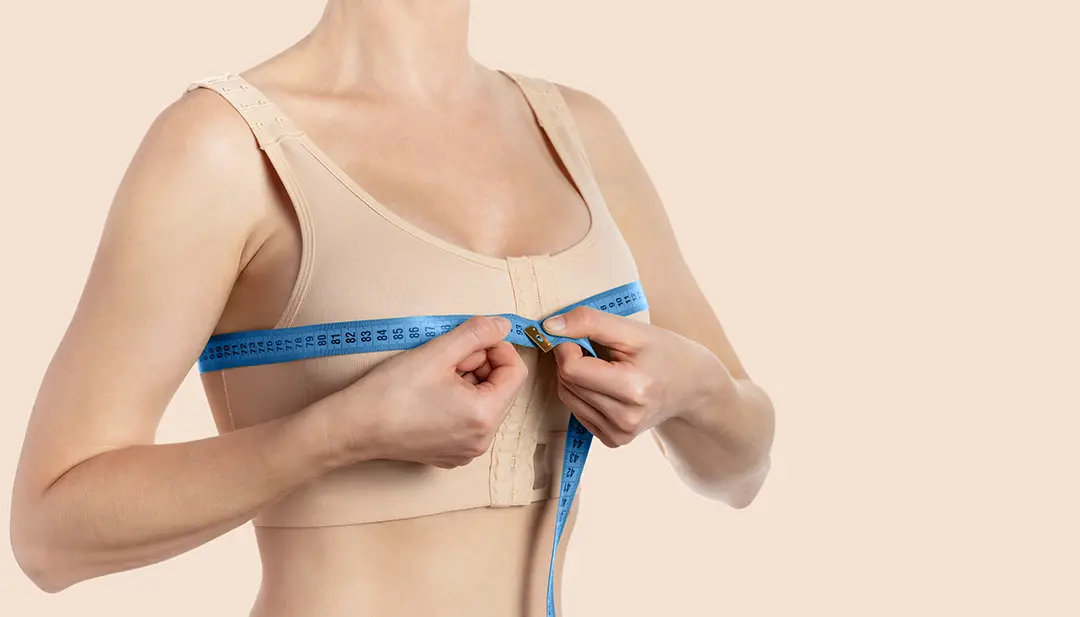
Consultant-led breast surgery at Abbey Wood Hospital, Mill Hill, North London.
What Is a Breast Uplift (Mastopexy)?
Mastopexy, or breast lifting, addresses sagging or drooping breasts. During this procedure, the surgeon repositions the breast tissue and removes excess skin. The nipple-areola complex moves to a higher, more youthful position. The result is firmer, more elevated breasts.
Who Benefits from a Breast Uplift?
Women typically choose a breast uplift when their breasts have lost firmness and shape. Common causes include pregnancy and breastfeeding, significant weight loss, natural ageing, and genetic factors. The procedure suits women who want to restore breast position without changing size.
Signs you may benefit from a breast uplift include nipples that point downward or sit below the breast crease, flat or elongated breast shape, one breast sitting lower than the other, and stretched skin with reduced elasticity.
What a Breast Uplift Cannot Do
A breast uplift does not significantly increase or decrease breast size. If you want fuller breasts, you may need to combine mastopexy with breast augmentation. If you want smaller breasts, you need a breast reduction instead.
What Is a Breast Reduction (Reduction Mammoplasty)?
Breast reduction removes excess breast tissue, fat, and skin to create smaller, more proportionate breasts. The surgeon also reshapes the remaining tissue and repositions the nipples. This procedure reduces both the size and weight of the breasts.
Who Benefits from a Breast Reduction?
Women with disproportionately large breasts often experience significant physical discomfort. According to NHS guidance, common symptoms include chronic back, neck, and shoulder pain, skin irritation or rashes under the breasts (intertrigo), deep grooves in the shoulders from bra straps, difficulty finding clothes that fit properly, and limitations on physical activity.
Breast reduction alleviates these symptoms by reducing breast weight. Research from Chelsea and Westminster Hospital NHS Foundation Trust found statistically significant improvement across all measured domains of patient satisfaction following breast reduction surgery.
Physical and Emotional Benefits
Beyond symptom relief, breast reduction improves overall breast proportion and aesthetics. Many women report increased confidence, improved posture, and greater ability to exercise comfortably. The procedure has one of the highest patient satisfaction rates among all plastic surgery procedures.
Which Procedure Do You Need? Key Questions to Ask
Determining the right procedure depends on your specific concerns. Ask yourself these questions to help guide your decision.
Are You Happy with Your Breast Size?
If you like your breast size but dislike sagging, a breast uplift is likely the right choice. The procedure lifts and reshapes without removing significant tissue.
If your breasts are too large and cause physical discomfort, a breast reduction addresses both size and position. The procedure removes tissue while also lifting and reshaping.
What Are Your Main Symptoms?
Sagging, loss of firmness, and downward-pointing nipples suggest a breast uplift. These concerns relate to skin laxity and breast position rather than size.
Back pain, neck pain, shoulder grooves, skin rashes, and difficulty exercising suggest a breast reduction. These symptoms relate to excess breast weight and volume.
Your Consultation Will Confirm the Best Approach
During your consultation with Dr Hakan Tekin, he will examine your breasts and discuss your concerns in detail. He will recommend the procedure that best addresses your specific anatomy and goals. Sometimes a combination approach works best.
Can You Combine Breast Uplift and Reduction?
Yes. Many women benefit from combining elements of both procedures. Your surgeon tailors the approach to your specific needs.
Breast Reduction with Lift
Every breast reduction includes a lifting component. The surgeon removes tissue and reshapes the breast, which naturally elevates it. If you need smaller breasts, the reduction procedure achieves both goals simultaneously.
Breast Uplift with Augmentation
Some women want lifted breasts with increased volume. This combination procedure involves both breast implants and mastopexy techniques. The surgeon places implants while simultaneously removing excess skin and repositioning the tissue.
According to a study from Chelsea and Westminster Hospital, breast reduction combined with implants showed an 8.7% complication rate, comparable to single-stage procedures. Only 4.3% of patients required revision surgery.
Surgical Techniques and Scarring
Both procedures use similar incision patterns. Your surgeon chooses the technique based on the degree of change needed.
Common Incision Patterns
The periareolar incision circles the outer edge of the areola. This technique suits mild cases and leaves minimal scarring.
The lollipop incision runs around the areola and vertically down to the breast crease. Surgeons use this technique for moderate lifting or reduction.
The anchor incision (inverted-T) runs around the areola, vertically down, and along the breast crease. This technique allows maximum tissue removal and reshaping for significant changes.
What to Expect with Scarring
According to Worcestershire Acute Hospitals NHS Trust, scarring occurs around the outer edge of the areola, down the middle of the breast, and along the crease underneath. Scars appear red initially but fade over time. Queen Victoria Hospital NHS Foundation Trust notes that post-operative scars can take up to two years to settle and fade completely.
Recovery and Aftercare
Recovery timelines are similar for both procedures. Proper aftercare ensures the best results.
Hospital Stay
Most patients stay in hospital for one or two nights. At Abbey Wood Hospital, our Day Surgery Unit provides comfortable overnight accommodation with nursing care.
First Two Weeks
Expect swelling, bruising, and discomfort during the initial recovery period. Pain medication manages any discomfort. You must wear a supportive, non-wired sports bra continuously. Worcestershire NHS Trust advises keeping wounds dry for the first 48 hours.
Returning to Normal Activities
Most people return to desk work after one to two weeks. Physical jobs require longer recovery. Avoid heavy lifting and strenuous exercise for four to six weeks. Full recovery takes four to six weeks according to NHS guidance.
Long-Term Support
Queen Victoria Hospital NHS Foundation Trust recommends wearing a supportive, non-wired sports-type bra for 23 out of 24 hours daily for up to six weeks. Your surgeon will advise on ongoing bra support as healing progresses.
Risks and Complications
Both procedures carry similar risks. Understanding these helps you make an informed decision.
Common Risks
Temporary numbness or altered sensation in the nipples affects many patients. This usually resolves within weeks to months. Asymmetry may occur, though surgeons work to minimise this. Some patients experience delayed wound healing.
Less Common Complications
Infection is uncommon with proper surgical technique and aftercare. Haematoma (bleeding inside the breast tissue) generally happens within the first 24 hours if it occurs. Loss of blood supply to the nipple is rare but can cause tissue changes.
General Anaesthetic Risks
Worcestershire Acute Hospitals NHS Trust states that for fit and healthy individuals, the risk of dying from any cause while under general anaesthetic is less than one in 250,000.
Impact on Breastfeeding
Both procedures may affect your ability to breastfeed. If you plan to have children, discuss this with your surgeon. Some women retain the ability to breastfeed, while others do not.
NHS Funding and Private Options
Understanding your funding options helps you plan your surgery pathway.
NHS Criteria for Breast Reduction
The NHS may fund breast reduction when large breasts cause documented health problems. However, criteria are strict and vary by region. According to Queen Victoria Hospital NHS Foundation Trust, NHS funding typically requires a BMI of 26 or below, confirmed non-smoker status (including e-cigarettes and vapes), anticipated reduction of at least 500g per breast, and a clear mammogram for patients over 35.
The NHS also notes that breast reduction is never an essential operation. They suggest alternatives including weight loss, correctly fitted underwear, and psychological support for body image concerns.
NHS Breast Uplift
Breast uplift surgery is rarely funded by the NHS as it is considered a cosmetic procedure. Most women seeking mastopexy choose private treatment.
Benefits of Private Treatment
Private treatment offers several advantages. You avoid lengthy NHS waiting times. You choose your consultant surgeon. Receiving treatment based on your goals, not strict eligibility criteria. At Abbey Wood Hospital, we offer consultations within days rather than weeks.
Cost of Breast Surgery in the UK
According to the NHS, breast reduction surgery costs around £6,500 in the UK, plus the cost of consultations and follow-up care. Breast uplift surgery typically costs between £4,500 and £8,000 depending on complexity.
At Abbey Wood Hospital, our consultation fee is £350. We provide transparent pricing with no hidden costs. Full pricing information is available on our fees page. We welcome both self-pay and insured patients.
Why Choose Abbey Wood Hospital for Breast Surgery
Abbey Wood Hospital provides consultant-led breast surgery in a CQC-registered private hospital setting. Our approach prioritises safety, natural results, and patient satisfaction.
Consultant-Led Care
Dr Hakan Tekin, our Medical Director and Aesthetic & Plastic Surgeon, performs all breast procedures. He brings extensive experience in breast aesthetics including reduction, uplift, augmentation, and asymmetry correction.
Comprehensive Facilities
Our Day Surgery Unit provides modern surgical facilities with overnight accommodation. The Imaging Centre offers breast MRI, breast ultrasound, and breast biopsy services for thorough pre-operative assessment when needed.
Hospital-Based Safety
Unlike high street clinics, we operate within a fully functioning hospital environment. This provides immediate access to emergency support if needed. Our regulated setting meets the highest safety standards for plastic surgery.
Frequently Asked Questions
What is the difference between breast uplift and breast reduction?
A breast uplift (mastopexy) lifts sagging breasts without significantly changing size. It removes excess skin and repositions the breast tissue. A breast reduction removes breast tissue, fat, and skin to create smaller, lighter breasts. Both procedures reposition the nipples for a more youthful appearance.
How do I know which procedure I need?
If you are happy with your breast size but unhappy with sagging, you likely need an uplift. If your breasts are too large and cause back pain, neck pain, or skin irritation, you likely need a reduction. Your consultant will confirm the best approach during your consultation.
Can I have both procedures at the same time?
Every breast reduction includes a lifting component. If you want smaller breasts, the reduction achieves both goals. Some women combine breast uplift with augmentation for lifted, fuller breasts. Your surgeon tailors the approach to your specific needs.
How long is recovery from breast surgery?
Most patients return to desk work after one to two weeks. Full recovery takes four to six weeks. You should avoid heavy lifting and strenuous exercise during this time. Final results appear once swelling resolves, typically within three to six months.
Will I have visible scars?
Both procedures leave scars around the areola and potentially down the breast and along the crease. Scars fade over time and are typically hidden under bras and swimwear. It can take up to two years for scars to fully settle and fade.
Can I get breast reduction on the NHS?
The NHS may fund breast reduction when large breasts cause documented health problems. Criteria are strict and include BMI requirements, non-smoker status, and anticipated reduction of at least 500g per breast. Many women choose private treatment to avoid waiting times and strict eligibility criteria.
How much does breast surgery cost?
According to NHS data, breast reduction costs around £6,500 in the UK. Breast uplift typically costs between £4,500 and £8,000. At Abbey Wood Hospital, our consultation fee is £350. We provide transparent pricing with no hidden costs.
Book Your Breast Surgery Consultation
If you are considering breast uplift or breast reduction surgery, the next step is a consultation with an experienced plastic surgeon. Dr Hakan Tekin will examine your breasts, discuss your concerns, and recommend the procedure that best addresses your needs.
At Abbey Wood Hospital, we offer consultant-led breast surgery in a safe, CQC-registered private hospital setting. Our approach prioritises natural results, patient safety, and your complete satisfaction.
We serve patients from across North London including Mill Hill, Barnet, Finchley, Edgware, Hendon, Stanmore, and the surrounding areas.
Contact Abbey Wood Hospital at Page Street, Mill Hill, London NW7 2ED. Call 020 8358 7100 or book a consultation online.
This article provides general information about breast surgery and does not constitute medical advice. Always consult a qualified surgeon to discuss your individual circumstances.