
Botox and dermal fillers are the two most popular non-surgical cosmetic treatments in the UK. Both can reduce signs of ageing and refresh your appearance, but they work in completely different ways. Understanding the difference between Botox and fillers helps you choose the right treatment for your concerns. At Abbey Wood Hospital’s Aesthetics department, our medically trained professionals provide safe, effective injectable treatments tailored to your goals.
In This Article
What Is Botox?
Botox is a brand name for botulinum toxin type A, a purified protein that temporarily relaxes muscles. When injected into specific facial muscles, Botox blocks nerve signals that cause muscle contractions. This relaxes the muscles responsible for dynamic wrinkles, the lines that form when you frown, squint, or raise your eyebrows.
What Does Botox Treat?
Botox works best on expression lines caused by repeated muscle movement. Common treatment areas include forehead lines (horizontal lines across the forehead), frown lines (the vertical “eleven” lines between the eyebrows), and crow’s feet (lines radiating from the outer corners of the eyes). Botox can also treat bunny lines on the nose, chin dimpling, and neck bands.
How Long Does Botox Last?
Results typically appear within three to seven days and last three to four months. As the effects gradually wear off, muscle movement returns and lines reappear. Regular maintenance treatments help maintain results. According to British Association of Aesthetic Plastic Surgeons (BAAPS) data from 2025, 78% of clients who tried Botox in 2023 had at least two additional sessions by the end of 2025, showing high satisfaction and repeat treatment rates.
What Are Dermal Fillers?
Dermal fillers are injectable gels that add volume beneath the skin. Most fillers contain hyaluronic acid (HA), a substance naturally found in the body. When injected, fillers physically fill in wrinkles, restore lost volume, and enhance facial contours.
What Do Fillers Treat?
Fillers address static wrinkles, the lines visible even when your face is at rest, and volume loss. Common treatment areas include nasolabial folds (lines running from nose to mouth corners), marionette lines (lines from mouth corners to chin), lip enhancement for added volume and definition, cheek augmentation to restore youthful fullness, tear troughs (hollows under the eyes), and jawline contouring.
How Long Do Fillers Last?
Results are immediate and typically last six to eighteen months, depending on the type of filler, treatment area, and individual factors. Hyaluronic acid fillers can be dissolved if needed, providing an additional safety advantage.
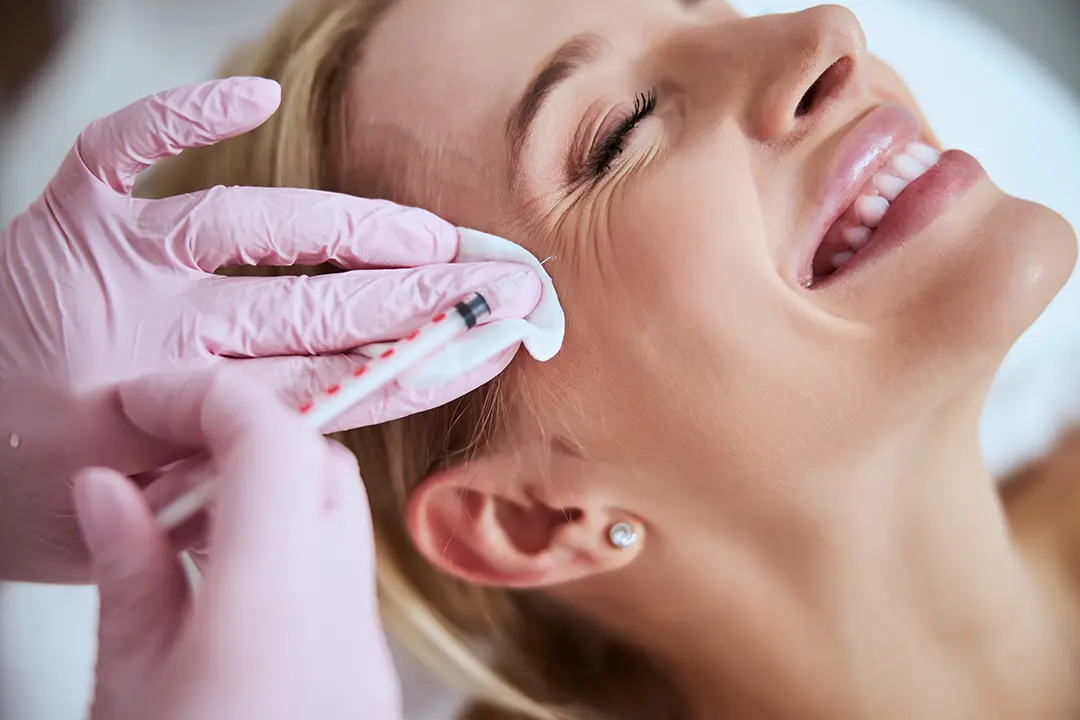
Medical aesthetics treatments at Abbey Wood Hospital, Mill Hill, North London.
Key Differences Between Botox and Fillers
Understanding how these treatments differ helps you make the right choice for your concerns.
How They Work
Botox relaxes muscles to prevent wrinkles from forming. It targets the cause of dynamic wrinkles rather than filling them in. Dermal fillers add volume to physically fill lines, restore lost fullness, and reshape facial contours. They address existing wrinkles and volume loss rather than preventing new lines.
Treatment Areas
Botox works best on the upper face where expression lines form, including the forehead, between the brows, and around the eyes. Fillers excel in the mid and lower face, adding volume to cheeks, lips, nasolabial folds, and jawline.
Results and Duration
Botox results develop gradually over several days and last three to four months. Filler results are visible immediately and typically last six to eighteen months. Both treatments require maintenance sessions to sustain results.
Which Treatment Is Right for You?
The best treatment depends on your specific concerns and goals. Many people benefit from combining both treatments for comprehensive facial rejuvenation.
Choose Botox If You Have
Forehead lines that appear when you raise your eyebrows, frown lines between your brows that make you look tired or angry, crow’s feet around your eyes, or lines caused by facial expressions rather than volume loss.
Choose Fillers If You Have
Deep lines running from your nose to mouth, thin lips that you want to enhance, hollow cheeks or temples, under-eye hollows creating a tired appearance, or loss of definition along your jawline.
Combining Botox and Fillers
Many patients achieve optimal results by combining both treatments. Botox addresses the upper face while fillers restore volume in the mid and lower face. Your practitioner will recommend the best approach during your consultation.
Safety and Choosing a Practitioner
The safety of injectable treatments depends heavily on who performs them. Choosing a qualified, medically trained practitioner is essential for safe, effective results.
Why Practitioner Choice Matters
Currently in the UK, there are limited regulations on who can administer Botox and fillers. The General Pharmaceutical Council (GPhC) reported 327 complaints regarding non-medical injectors in 2024, a 40% increase from 2023. This highlights the importance of choosing carefully.
The UK government is addressing this gap. According to recent government announcements, practitioners will soon be required to meet rigorous safety, training, and insurance standards before they can legally operate. New licensing requirements for Botox, lip fillers, and facial dermal fillers are expected by 2027.
What to Look for in a Practitioner
Always choose a medically trained professional such as a doctor, nurse, or dentist. Check that they are registered with the appropriate professional body (GMC, NMC, or GDC). Ensure the clinic is registered with the Care Quality Commission (CQC). Verify they have professional indemnity insurance and use licensed, UK-approved products.
Potential Risks
When performed by qualified practitioners, both treatments have excellent safety profiles. Common side effects include temporary redness, swelling, and bruising at injection sites. Serious complications are rare but can include infection, asymmetry, and vascular occlusion (blockage of blood vessels). Medical literature reports 233 cases of blindness linked to soft-tissue fillers globally as of 2020, highlighting why anatomical knowledge and proper training are critical.
Why Choose Abbey Wood Hospital for Botox and Fillers
Abbey Wood Hospital provides medically supervised aesthetic treatments in a CQC-registered private hospital setting. Our approach prioritises safety, natural results, and patient satisfaction.
Medically Trained Team
All aesthetic procedures at Abbey Wood Hospital are carried out or overseen by qualified doctors. Dr Hakan Tekin, our Medical Director and Aesthetic & Plastic Surgeon, leads our aesthetics services. Our practitioners have comprehensive anatomical knowledge and training to manage any complications.
Hospital-Based Safety
Unlike high street beauty salons, we operate within a fully functioning hospital environment. All products are fully licensed and sourced from trusted UK suppliers. We follow strict clinical safety standards and use evidence-based techniques.
Personalised Approach
Your treatment begins with a consultation where your clinician assesses your skin, discusses your goals, and recommends the most suitable treatment plan. We prioritise natural-looking, balanced results that enhance rather than change your appearance.
Integrated Care
Our aesthetics service is part of the wider Dermatology Department, allowing patients to benefit from integrated care. You can combine aesthetic treatments with medical skin treatments for comprehensive results.
Frequently Asked Questions
Can I have Botox and fillers at the same time?
Yes, many patients combine both treatments in a single session. Botox addresses expression lines in the upper face while fillers restore volume elsewhere. Your practitioner will recommend the best approach for your goals.
Is there any downtime after treatment?
Both treatments involve minimal downtime. You may experience temporary redness, swelling, or bruising at injection sites. Most people return to normal activities immediately, though you should avoid strenuous exercise for 24 hours.
Are Botox and fillers painful?
Discomfort is minimal. Practitioners use fine needles and can apply numbing cream beforehand. Many fillers contain local anaesthetic for added comfort. Most patients describe the sensation as mild pinching.
How do I know if my practitioner is qualified?
Check their professional registration with the GMC (doctors), NMC (nurses), or GDC (dentists). Verify the clinic is CQC-registered. Ask about their training, experience, and insurance. Avoid practitioners who cannot provide this information.
What if I don’t like the results?
Botox effects gradually wear off over three to four months. Hyaluronic acid fillers can be dissolved with an enzyme called hyaluronidase if needed. This provides an important safety advantage over permanent fillers.
Book Your Aesthetics Consultation
If you are considering Botox or dermal fillers, the next step is a consultation with a qualified practitioner. Our team will assess your concerns, discuss your goals, and recommend the treatment plan that best suits your needs.
At Abbey Wood Hospital, we provide medically supervised aesthetic treatments in a safe, CQC-registered private hospital setting. We serve patients from across North London including Mill Hill, Barnet, Finchley, Edgware, Hendon, Stanmore, and the surrounding areas.
Contact Abbey Wood Hospital at Page Street, Mill Hill, London NW7 2ED. Call 020 8358 7100 or book a consultation online.
This article provides general information about aesthetic treatments and does not constitute medical advice. Always consult a qualified practitioner to discuss your individual circumstances.