
Seeing blood when you cough can be an alarming experience. Coughing up blood, medically known as haemoptysis, is a symptom that should never be ignored, even if the amount seems small. Whilst it may sometimes result from minor causes such as a burst blood vessel from excessive coughing, it can also indicate serious underlying conditions that require prompt medical attention. At London Urgent Care Centre, our experienced medical team can rapidly assess patients presenting with haemoptysis, arrange necessary investigations, and ensure you receive appropriate care without delay.
In This Article
In UK primary care settings, the incidence of haemoptysis is approximately one case per 1,000 patients per year. According to NHS guidance on coughing up blood, whilst most cases have relatively benign causes, the symptom always warrants medical assessment to rule out serious conditions. Understanding what causes blood in your cough and knowing when to seek help can make a significant difference to your outcome.
What Is Haemoptysis?
Haemoptysis is the medical term for coughing up blood that originates from the lungs or airways. The blood may appear as streaks mixed with mucus or phlegm, or in more serious cases, as larger amounts of pure blood. It is important to distinguish true haemoptysis from other types of bleeding.
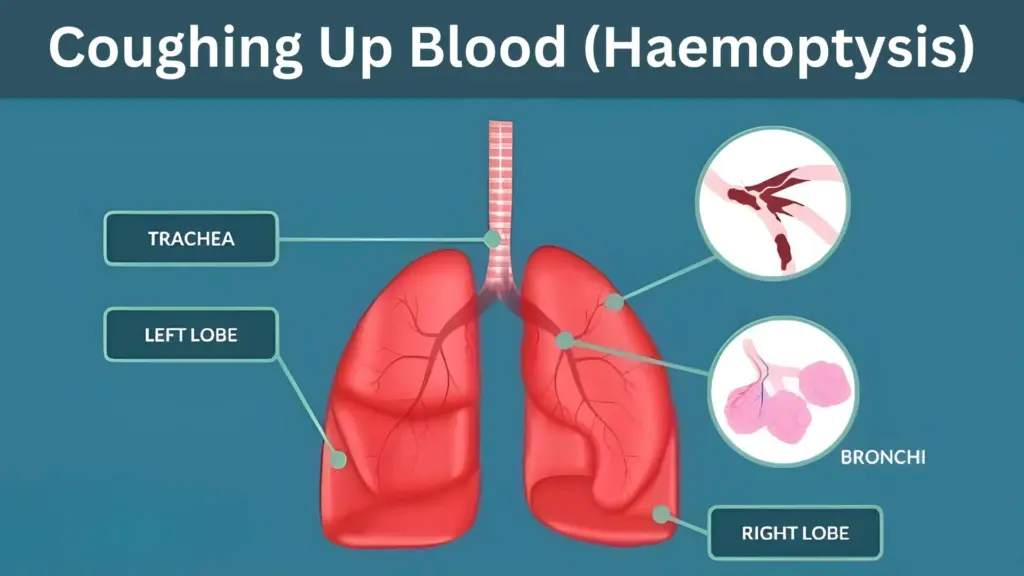
To understand where the bleeding might originate, think of your respiratory system as an upside-down tree. The trachea (windpipe) forms the main trunk, which splits into two large branches called bronchi. These divide into thousands of smaller twigs called bronchioles, ending in tiny air sacs called alveoli, which are rich in blood vessels. Haemoptysis occurs when one of these branches or its associated blood vessels becomes damaged, inflamed, or diseased.
True haemoptysis must be distinguished from haematemesis, which is vomiting blood from the stomach, and pseudohaemoptysis, where blood originates from the nose or mouth and tracks to the throat. The distinction is clinically important because each requires different investigation and treatment approaches.
Common Causes of Coughing Up Blood
The most frequent causes of coughing up blood are respiratory tract infections. Understanding these common causes can help put your mind at ease whilst still recognising the importance of medical assessment.
Acute Bronchitis
Inflammation of the bronchial tubes, often caused by viral infections, is one of the most common reasons for blood-streaked phlegm. The irritated airway lining can bleed slightly, especially with forceful coughing. This typically resolves as the infection clears.
Pneumonia
Lung infections caused by bacteria, viruses, or fungi can result in inflammation and bleeding within lung tissue. Pneumonia-related haemoptysis is usually accompanied by fever, productive cough, and feeling generally unwell.
Bronchiectasis
This chronic condition involves permanently widened, damaged airways that are prone to repeated infections and bleeding. UK data shows bronchiectasis affects approximately 566 per 100,000 women and 486 per 100,000 men. The British Thoracic Society provides comprehensive guidelines for managing this condition.
Severe Coughing
Prolonged, forceful coughing from any cause can occasionally rupture small blood vessels in the throat or airways, resulting in streaks of blood in the phlegm. This is usually minor and self-limiting.
Serious Causes That Require Urgent Attention
Whilst most cases of coughing up blood have relatively benign explanations, the symptom can sometimes indicate serious or life-threatening conditions that require immediate medical attention.
Lung Cancer
Tumours in the lungs can erode blood vessels, causing bleeding that presents as haemoptysis. This is particularly important to consider in smokers or former smokers. Research shows that for smokers presenting with haemoptysis but normal chest X-rays, there is a 9.6% incidence of malignancy within three years. According to NICE guideline NG12, people aged 40 and over with unexplained haemoptysis should be referred urgently for suspected lung cancer investigation.
Pulmonary Embolism
A blood clot that travels to the lungs can block blood flow, damage lung tissue, and cause bleeding. Pulmonary embolism is a medical emergency that typically presents with sudden breathlessness, chest pain, and sometimes coughing up blood. Risk factors include recent surgery, prolonged immobility, and certain medical conditions.
Tuberculosis
Although less common in the UK today, tuberculosis (TB) remains an important cause of haemoptysis worldwide and still occurs in certain populations. TB requires specialised treatment with a prolonged course of antibiotics.
Heart Conditions
Heart failure and certain valve conditions can cause increased pressure in the blood vessels of the lungs, potentially leading to bleeding. This type of haemoptysis may be accompanied by swelling in the legs, breathlessness when lying flat, and reduced exercise tolerance.
Recognising Associated Symptoms
Coughing up blood is often accompanied by other symptoms that can help identify the underlying cause. Pay attention to chest pain or discomfort, particularly when breathing deeply or coughing. Shortness of breath or difficulty breathing, fever, night sweats, or chills, unexplained weight loss, persistent fatigue or weakness, and wheezing or noisy breathing should all be noted and reported to your doctor.
The appearance of the blood itself provides useful information. Bright red, frothy blood typically comes from the lungs, whilst darker blood mixed with food particles suggests a stomach source. If possible, note how much blood you have coughed up and how frequently it occurs, as this helps guide medical assessment.

How Haemoptysis Is Diagnosed
When you present with coughing up blood, your doctor will take a detailed medical history and perform a physical examination. Several investigations may be recommended to identify the underlying cause.
Chest X-ray
This is typically the first investigation, providing a quick overview of the lungs to check for infections, tumours, or other abnormalities. Our imaging and diagnostics department offers rapid access to chest X-rays with prompt reporting.
CT Scan
If the chest X-ray is inconclusive or further detail is needed, a CT scan provides much clearer images of soft tissue, helping to identify smaller abnormalities that may not be visible on standard X-rays.
Bronchoscopy
This procedure involves passing a thin, flexible telescope into the airways to directly visualise the source of bleeding. It also allows tissue samples to be taken for analysis if needed.
Blood Tests and Sputum Analysis
Blood tests can identify infections, clotting disorders, and other systemic conditions. Examining a sample of sputum can help detect infections including tuberculosis.
It is worth noting that in approximately one in eight people (12.5%), no underlying cause is found even after extensive testing. This is termed idiopathic haemoptysis and generally has a favourable prognosis with careful monitoring.
Treatment Options
Treatment for coughing up blood depends entirely on the underlying cause identified through investigation. Our pulmonology specialists work closely with other departments to ensure comprehensive care.
Treating Infections
If bronchitis, pneumonia, or other respiratory infections are responsible, appropriate antibiotics, antivirals, or antifungal medications will be prescribed. Most infection-related haemoptysis resolves as the underlying infection clears.
Managing Bronchiectasis
This chronic condition requires long-term management including airway clearance techniques, prompt treatment of flare-ups, and sometimes long-term antibiotics. Asthma + Lung UK provides excellent patient resources and support for those living with bronchiectasis.
Cancer Treatment
If lung cancer is diagnosed, treatment may involve surgery, chemotherapy, radiotherapy, or combinations of these approaches depending on the type and stage of cancer.
Emergency Interventions
Massive haemoptysis, generally defined as more than 200ml of blood in 24 hours, is rare (occurring in only 5% to 15% of cases) but constitutes a medical emergency. Emergency treatment may include bronchial artery embolisation to stop bleeding or, in severe cases, surgery.
Frequently Asked Questions
Is a small amount of blood in phlegm serious?
Even small amounts of blood in phlegm should be assessed medically. Whilst often caused by minor issues like throat irritation or chest infections, it can occasionally indicate more serious conditions. It is always better to have it checked and receive reassurance than to miss something important.
How can I tell if blood is from my lungs or stomach?
Blood from the lungs (haemoptysis) is typically bright red and frothy, often mixed with mucus, and comes up with coughing. Blood from the stomach (haematemesis) is usually darker, may look like coffee grounds, and comes up with vomiting. If you are unsure, seek medical assessment.
Should smokers be more concerned about coughing up blood?
Yes. Smoking significantly increases the risk of lung cancer and other serious respiratory conditions. Smokers who experience haemoptysis should seek prompt medical assessment, as guidelines recommend urgent investigation even if initial chest X-rays appear normal.
Can coughing up blood be caused by medications?
Yes, blood-thinning medications such as warfarin or direct oral anticoagulants can increase the risk of bleeding, including haemoptysis. If you take these medications and notice blood when coughing, contact your doctor or anticoagulant clinic promptly.
When to Seek Medical Help
Knowing when to seek help for coughing up blood is essential. You should call 999 or go directly to A&E if you are coughing up more than a few spots or streaks of blood, you experience chest pain or a very fast heartbeat, you have significant difficulty breathing, or you feel dizzy, confused, or are losing consciousness.
For less severe symptoms, such as small spots of blood or blood-streaked phlegm without other concerning symptoms, you should still seek an urgent GP appointment or call NHS 111 for advice. Do not wait to see if symptoms improve on their own.
Our London Urgent Care Centre can provide rapid assessment for patients concerned about coughing up blood. We offer same-day appointments, on-site imaging, and prompt referral to specialist consultants when needed.
Visit London Urgent Care Centre at Abbey Wood Hospital, Page Street, Mill Hill, London NW7 2ED. We are open 8am to 8pm Monday to Friday and 9am to 6pm at weekends. For more information, call 020 8358 7100 or book an appointment online.
Please note: This article provides general health information and is not a substitute for professional medical advice. Coughing up blood is a potentially serious symptom. If you are coughing up large amounts of blood, have chest pain, or difficulty breathing, call 999 immediately. Do not drive yourself to hospital.