- Departments
- Specialities
- Aesthetics
- Cardiology
- Dermatology
- Dietitian Services
- Endocrinology
- Family Medicine
- Gastroenterology
- General Surgery
- Geriatrics
- Haematology
- Infectious Diseases
- Internal Medicine
- Maxillofacial Surgery
- Nephrology
- Neurology
- Obstetrics and Gynaecology
- Oncology
- Ophthalmology
- Orthopaedics
- Otolaryngology (ENT)
- Paediatrics
- Plastic Surgery
- Physiotherapy
- Pulmonology
- Radiology
- Rheumatology
- Urology
- Consultants
- Fees
- About Us
- Call: 020 8358 7100
Search
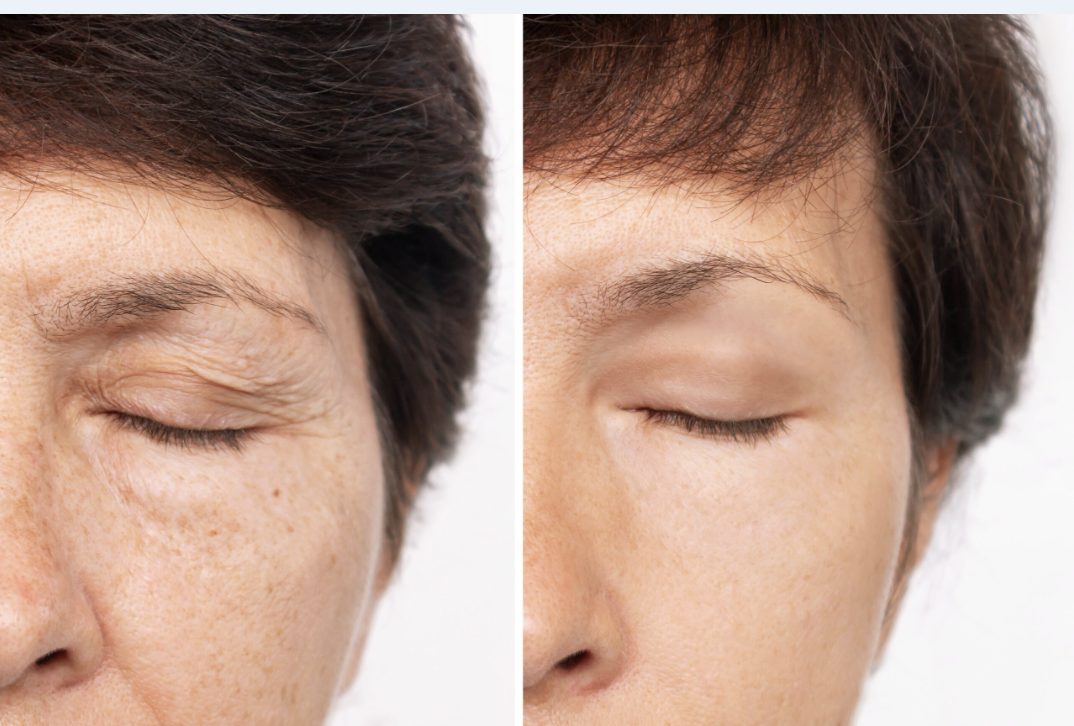
Blepharoplasty in London – Consultant-Led Eyelid Surgery
Upper and Lower eyelid surgery with a specialist consultant surgeon at a CQC-registered hospital in North London. Precise technique, natural results.

About the Procedure
What Is Blepharoplasty?
A Specialist Procedure for Long-Lasting Results
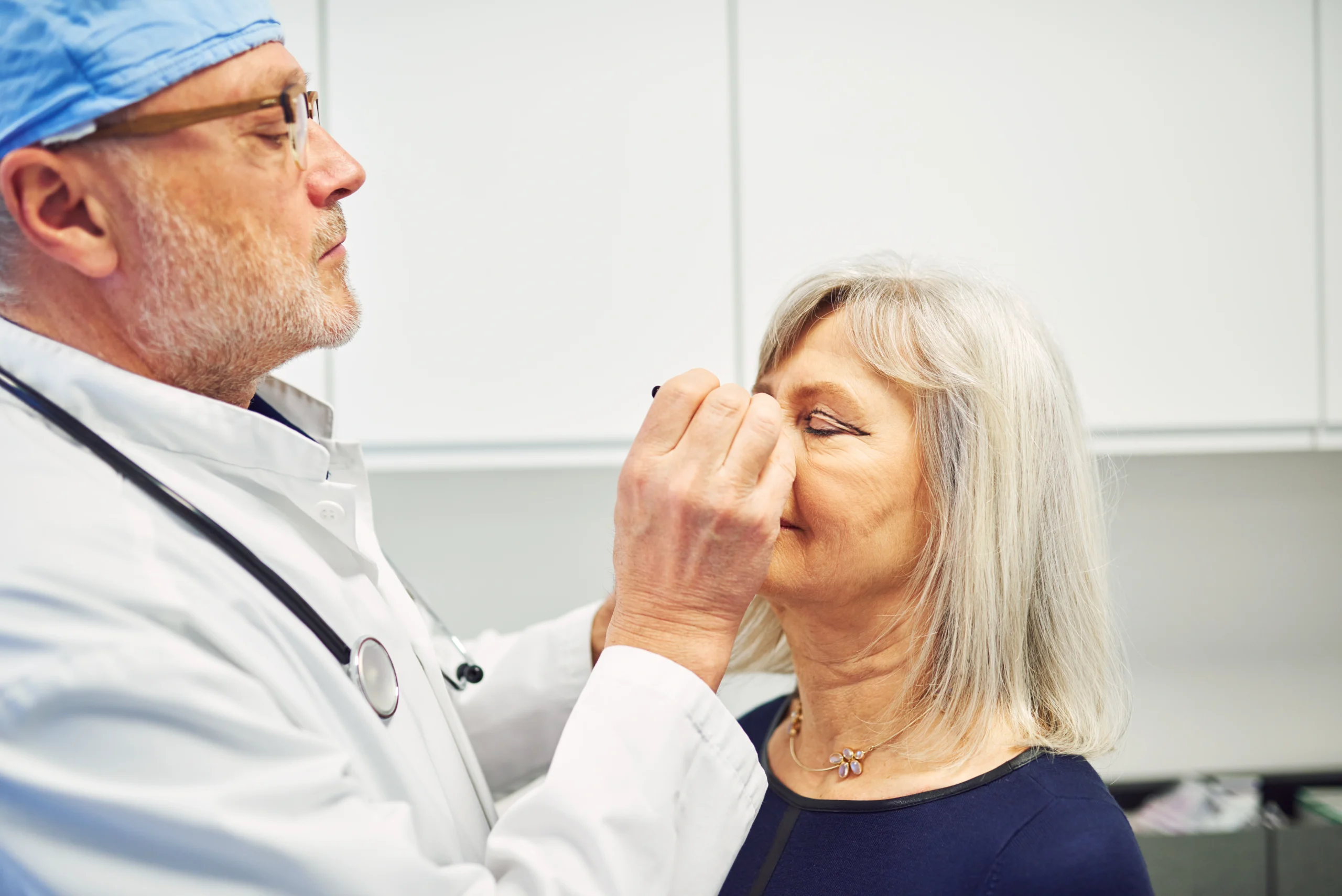
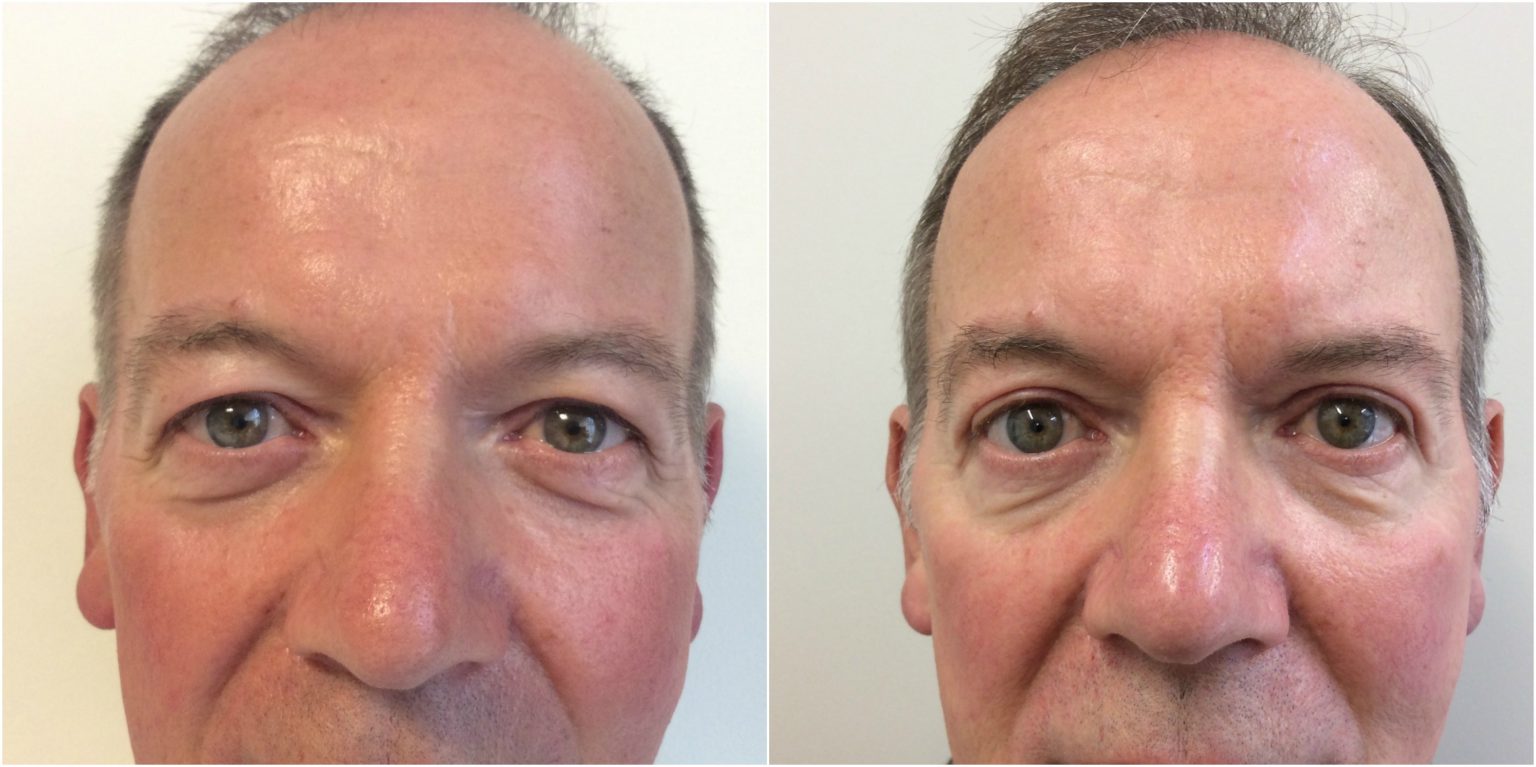
Blepharoplasty is a specialist surgical procedure that corrects drooping or hooded upper eyelids, removes excess skin, and addresses under-eye bags caused by excess or displaced fat. Furthermore, it can restore a rested, refreshed appearance without an obvious or operated look.
Why Choose a Hospital Setting?
At Abbey Wood Hospital, a consultant surgeon performs every procedure in a fully equipped, CQC-registered surgical theatre. As a result, patients benefit from hospital-grade safety, a consultant anaesthetist, and a medically supervised recovery pathway throughout.
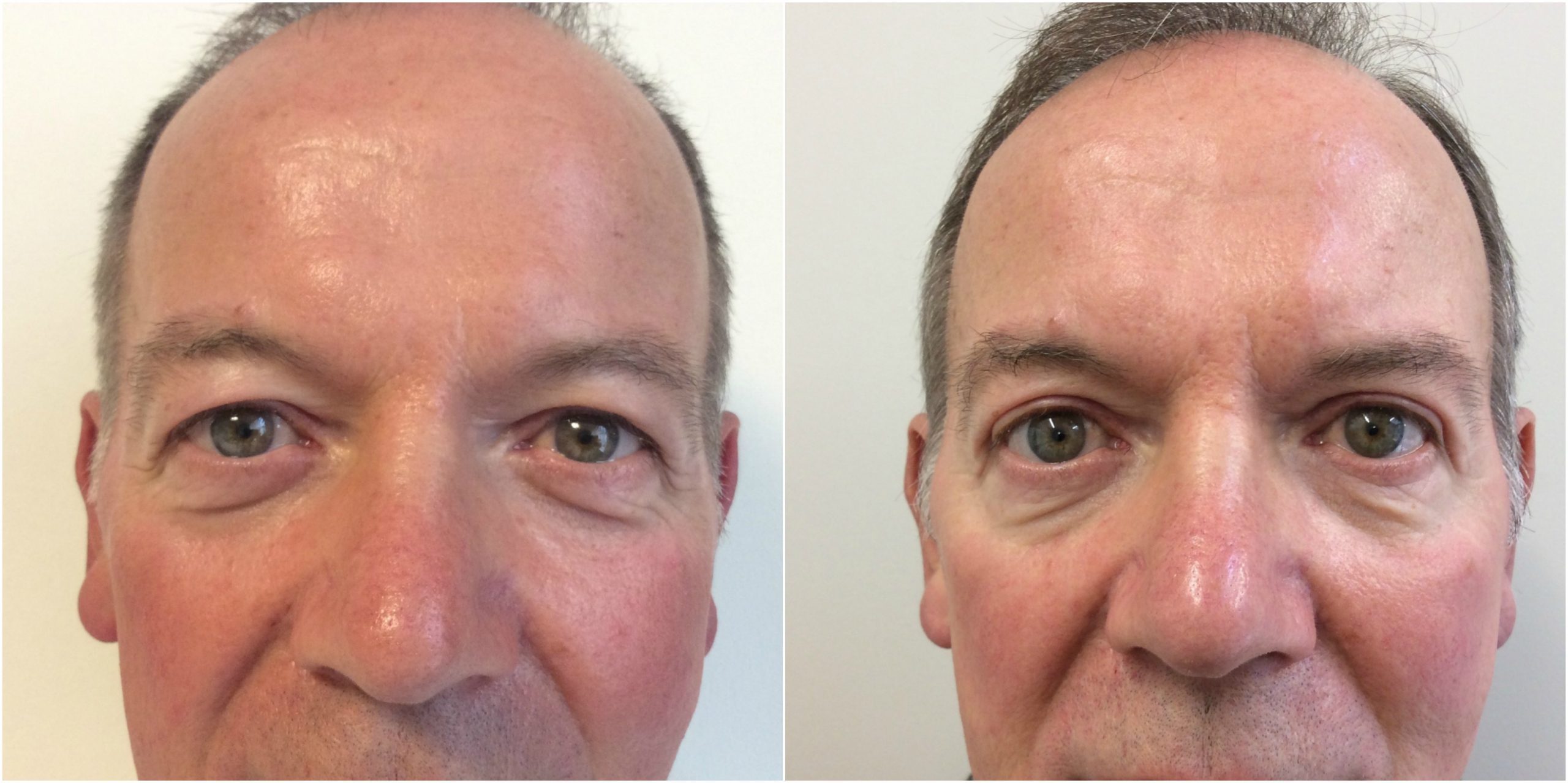
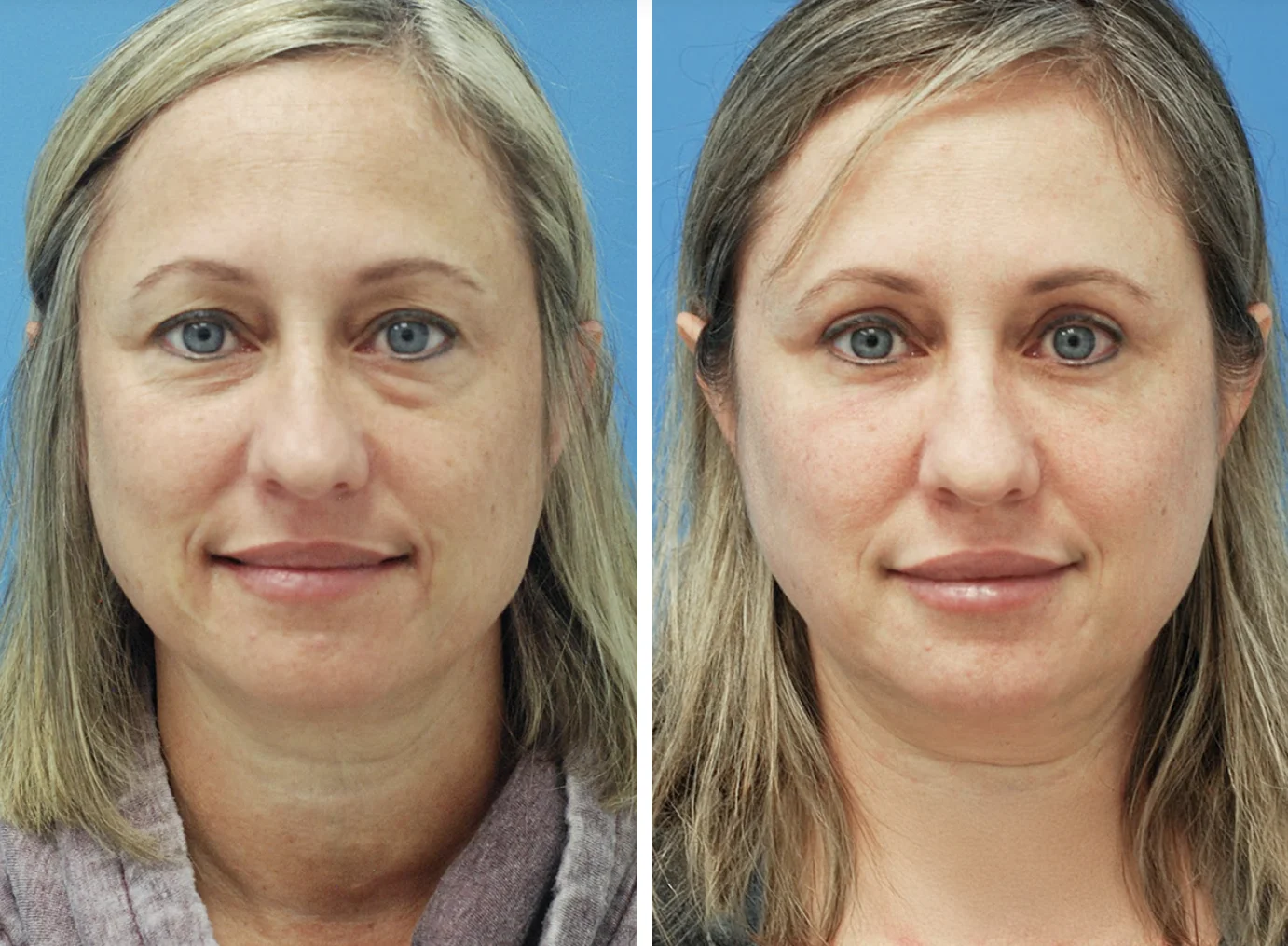
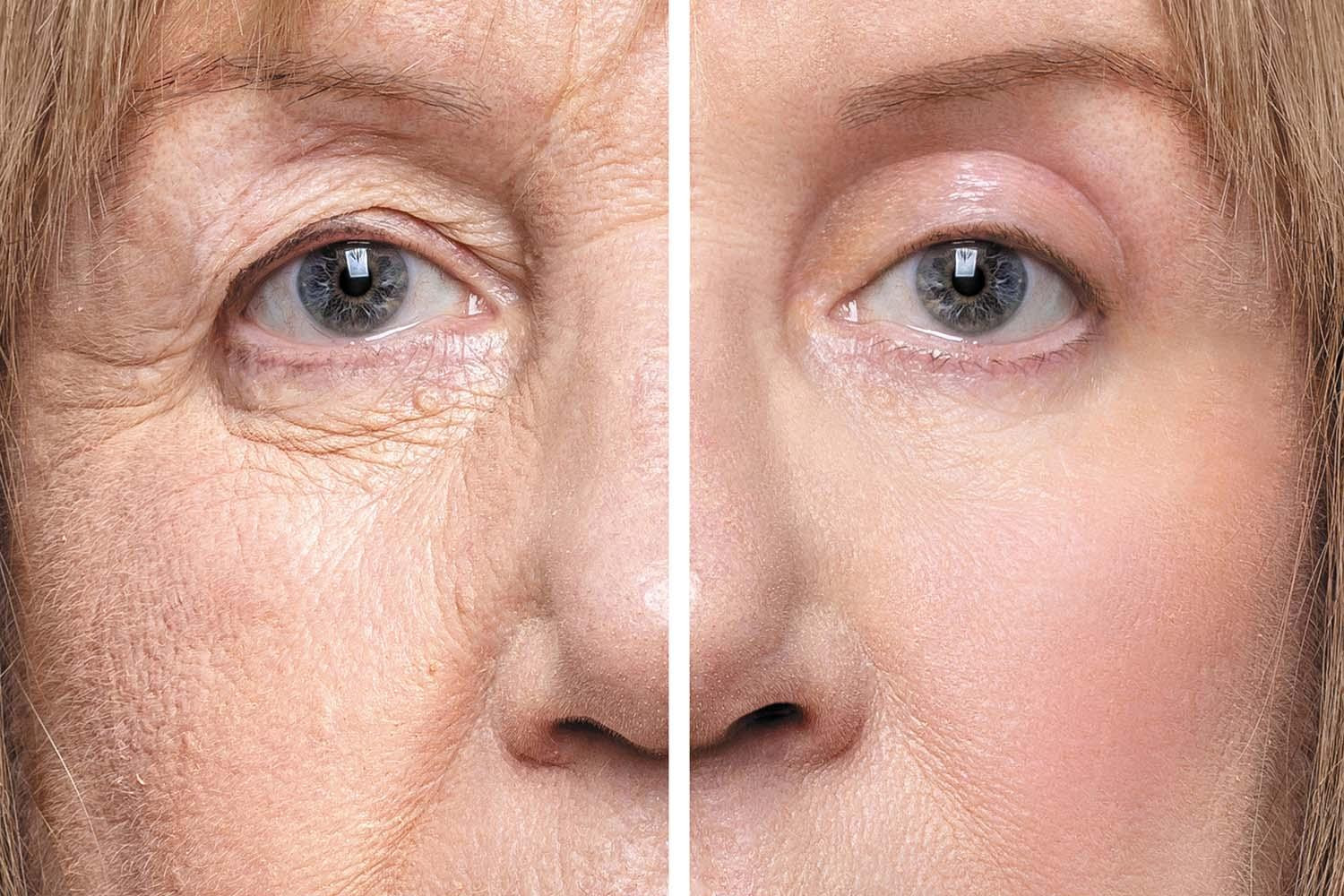
SURGERY TIME — 45 MINS. - 2 HOURS
RESULTS SEEN — 3-6 MONTHS
BACK TO WORK 7-10 DAYS
PAIN LEVEL MODERATE
HOSPITAL STAY DAY CASE
FLEXIBLE FINANCE AVAILABLE
CQC REGISTERED PRIVATE HOSPITAL
The prices are starting from: upper eyelid £2,000, Lower eyelid £2,500, Both £4,000

Is Blepharoplasty Right For You?
- You have drooping or hooded upper eyelids that affect your appearance or restrict your peripheral vision
- Your eyes consistently look tired or heavy, even after adequate rest
- You notice persistent under-eye bags or puffiness that does not resolve naturally
- You want a subtle, natural refresh — not an overdone or obviously operated look
- You are in good general health and hold realistic expectations about outcomes
- You want your surgery in a registered hospital with structured, consultant-led aftercare
Upper, Lower or Combined – Which Is Right For You?
Upper Eyelid Surgery
Upper blepharoplasty removes excess skin and fat from the upper eyelid to correct drooping or hooding. Your surgeon places incisions in the natural eyelid crease, so scars become virtually imperceptible as they heal. Consequently, patients often choose this option under local anaesthetic with sedation, making recovery straightforward and relatively quick.
Lower Eyelid Surgery
Lower blepharoplasty targets under-eye bags and puffiness that excess or displaced fat causes. Your surgeon places incisions either just below the lash line or inside the eyelid using the transconjunctival approach, which minimises visible scarring significantly. As a result, patients achieve a smoother, more refreshed under-eye contour without obvious signs of surgery.
Combined Upper and Lower Blepharoplasty
A combined procedure treats both upper and lower eyelids in a single surgical session, delivering a balanced, comprehensive result. Your consultant assesses your facial anatomy in detail and recommends the most appropriate combination at consultation. Moreover, completing both areas together reduces overall recovery time compared to two separate procedures.
Upper, Lower or Combined – Which Is Right For You?


FAQs
How long does eyelid surgery take?
Upper or lower blepharoplasty typically takes between 45 minutes and 2 hours, depending on whether one or both lids need treatment. A combined upper and lower procedure takes longer; however, your consultant plans every detail at the pre-operative assessment so you know exactly what to expect.
Is general anaesthetic required?
Upper eyelid surgery often takes place under local anaesthetic with sedation, which means recovery is generally quicker. Lower eyelid and combined procedures more commonly require general anaesthetic. Your consultant discusses the most appropriate option based on your individual case.
How visible are the scars?
Your surgeon places upper eyelid incisions within the natural eyelid crease, so scars become almost imperceptible as they mature. For lower eyelid surgery, incisions sit just below the lash line or inside the eyelid, which minimises visible scarring significantly. In both cases, scars continue to fade and soften over several months.
How long does bruising and swelling last?
Most bruising and swelling resolves within 10 to 14 days. However, some residual swelling may persist for several weeks, and full results become visible at around 3 to 6 months post-surgery. Therefore, it is important to allow adequate time before assessing the final outcome.
When can I return to work?
Most patients return to desk-based work within 7 to 10 days. However, physically demanding roles and strenuous activity require a longer recovery period. Your surgeon gives personalised guidance at the post-operative review to ensure a safe, progressive return to normal activity.
Are the results permanent?
Blepharoplasty delivers long-lasting results, although the natural ageing process continues over time. Upper eyelid results typically last 5 to 10 years or longer. Furthermore, fat repositioning in lower eyelid surgery produces structural changes that surgeons consider permanent, as the condition does not recur.
Will surgery affect my vision?
Temporary blurring or sensitivity is common in the first few days as eyes adjust and swelling settles. In fact, where significantly drooping upper eyelids restrict the visual field, surgery can improve vision. Your consultant assesses all concerns thoroughly at consultation.
What does the consultation process involve?
At your initial consultation, your surgeon conducts a clinical assessment of your eyelids and facial anatomy, discusses your goals, and reviews your medical history. Additionally, they give a full explanation of the procedure, associated risks, and expected recovery timeline. There is no obligation to proceed, and a structured cooling-off period is part of every patient journey.
FAQs