
A urinary tract infection (UTI) is one of the most common infections affecting women in the UK, causing uncomfortable symptoms that can significantly disrupt daily life. Whilst often straightforward to treat, UTIs should not be ignored, as they can lead to more serious complications if left untreated. Understanding the symptoms, knowing when to seek help, and learning how to reduce your risk of recurrence can help you manage this common condition effectively. At Abbey Wood Hospital, our GP services and urology specialists provide expert diagnosis and treatment for urinary tract infections, including complex or recurrent cases that require specialist investigation.
In This Article
Research shows that UTIs are among the most common infections in women aged 16 to 64 presenting in primary care. According to NHS guidance on urinary tract infections, bacterial infection is found in approximately 50% of cases, with the remainder often caused by irritation or other conditions that mimic UTI symptoms. Understanding the difference is important for ensuring you receive appropriate treatment.
What Is a Urinary Tract Infection?
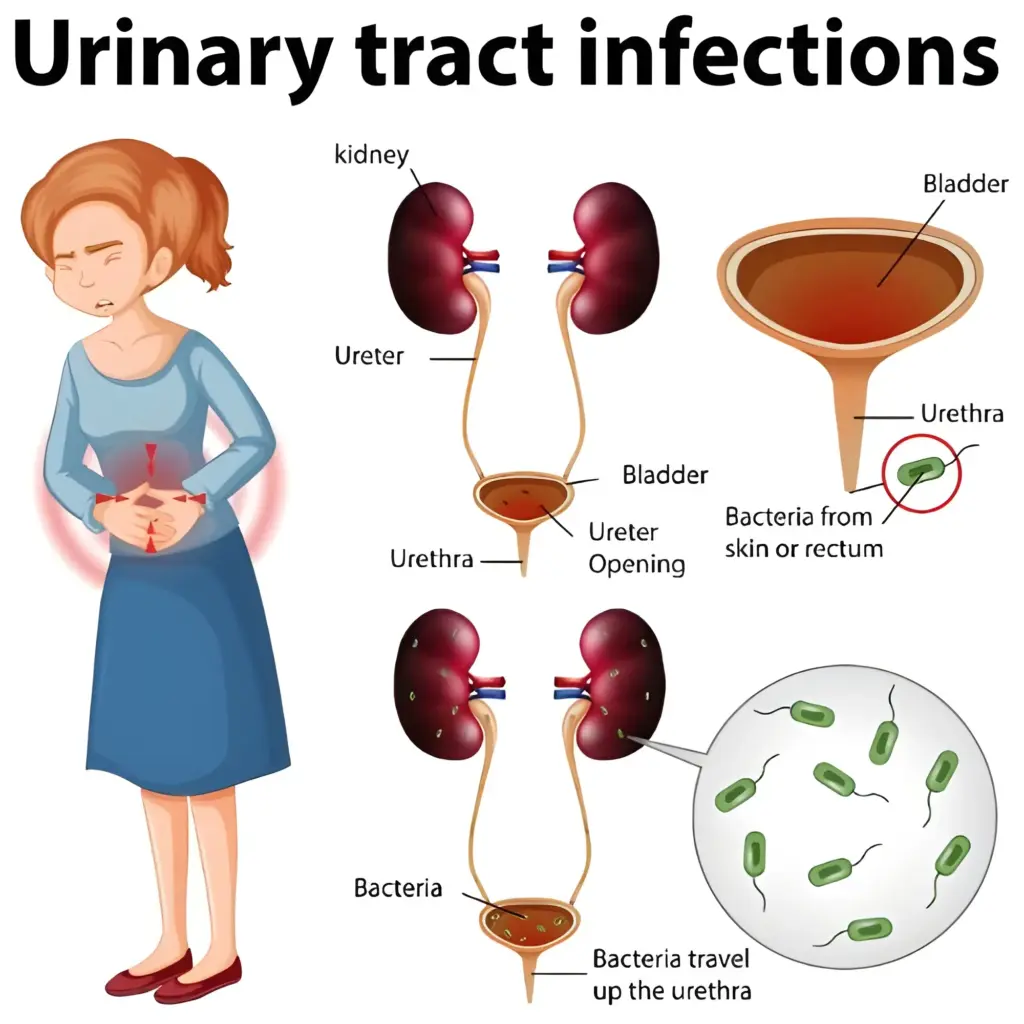
A urinary tract infection occurs when bacteria enter the urinary system and multiply, causing infection and inflammation. The urinary system comprises the kidneys, ureters (tubes connecting kidneys to bladder), bladder, and urethra (the tube through which urine leaves the body). UTIs can affect any part of this system, though most infections involve the lower urinary tract, specifically the bladder (cystitis) and urethra.
The vast majority of UTIs are caused by Escherichia coli (E. coli), bacteria that normally live harmlessly in the gut but can cause infection when they enter the urinary tract. UTIs are also the most common hospital-acquired infection, accounting for at least 40% of all infections acquired during hospital stays, the majority of which are associated with urinary catheters.
Women are significantly more likely to develop UTIs than men due to anatomical differences. The female urethra is shorter, allowing bacteria to reach the bladder more easily. It is estimated that over half of all women will experience at least one urinary tract infection during their lifetime.
Recognising UTI Symptoms
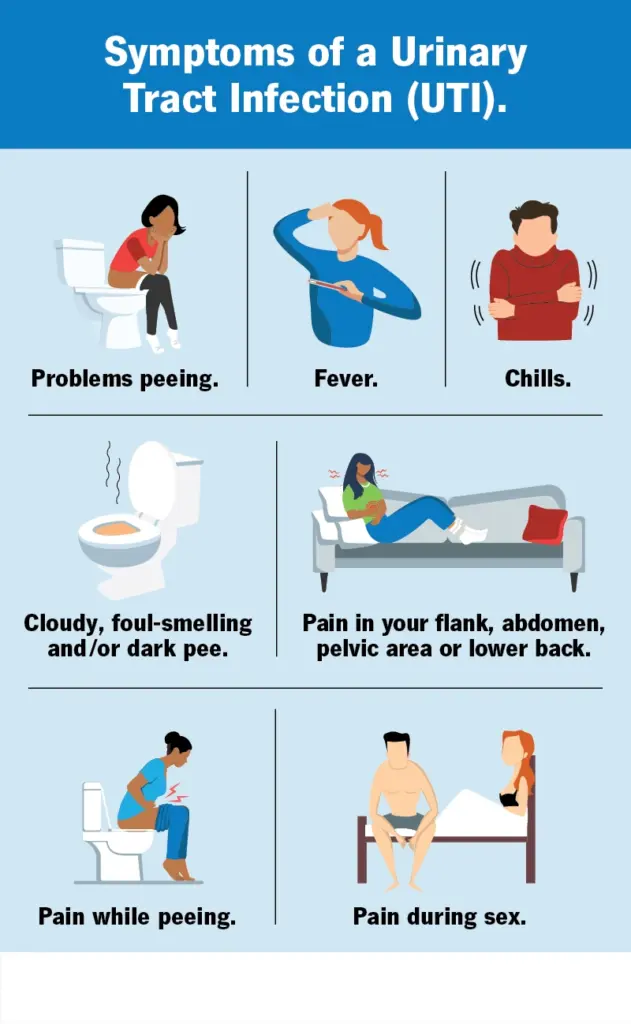
Knowing the symptoms of a urinary tract infection helps ensure you seek appropriate treatment promptly. According to NICE clinical guidance, three key symptoms indicate a higher likelihood of a genuine UTI: dysuria (a burning or stinging pain when passing urine), new nocturia (needing to get up at night to pass urine when you did not previously), and cloudy urine visible to the naked eye.
Other common symptoms include a frequent and urgent need to urinate even when little urine is passed, urine that smells unusually strong or unpleasant, blood in the urine (haematuria) which may appear pink or reddish, and pressure, discomfort, or cramping in the lower abdomen or pelvis.
It is worth noting that not all urinary symptoms indicate a UTI. Research shows that 80% of women who present with cystitis symptoms alongside vaginal discharge do not actually have a urinary tract infection. Other conditions such as vaginal thrush, bacterial vaginosis, sexually transmitted infections, or chemical irritation can cause similar symptoms. This is why accurate diagnosis is important before starting antibiotic treatment.
Symptoms of Kidney Infection
If infection spreads to the kidneys (pyelonephritis), symptoms become more severe and require urgent medical attention. Warning signs include high fever or chills, pain in the back, side, or groin area, nausea and vomiting, and feeling generally very unwell. A kidney infection is a serious condition that requires prompt antibiotic treatment to prevent complications.
Causes and Risk Factors
Understanding what causes urinary tract infections can help you take steps to reduce your risk. The most common causes and risk factors include sexual activity, which can introduce bacteria into the urethra. Using certain types of contraception, particularly diaphragms or spermicides, may increase risk. Poor hygiene practices, such as wiping from back to front after using the toilet, can transfer bacteria from the bowel to the urethra.
Incomplete bladder emptying allows bacteria to multiply. This can occur due to urinary blockages such as kidney stones or an enlarged prostate in men. Pregnancy increases UTI risk due to hormonal changes and pressure on the bladder. The menopause reduces oestrogen levels, which affects the protective bacteria in the vagina and can increase susceptibility to UTIs.
People with diabetes or weakened immune systems are more prone to infections. Urinary catheters significantly increase infection risk, which is why catheter-associated UTIs account for such a high proportion of hospital-acquired infections.
How UTIs Are Diagnosed
Accurate diagnosis is essential for appropriate treatment. Think of it like investigating smoke: many conditions can mimic the symptoms of a urinary tract infection, so it is important to confirm the diagnosis before using antibiotics, which should be reserved for genuine bacterial infections.
Urine Tests
The most common diagnostic approach is urinalysis, where a urine sample is tested using a dipstick to check for signs of infection including white blood cells, nitrites, and blood. For more detailed information, a urine culture may be sent to a laboratory to identify the specific bacteria causing the infection and determine which antibiotics will be most effective.
Further Investigation
For recurrent UTIs or complicated cases, further investigation may be needed. Our imaging and diagnostics department can provide ultrasound scans to check for structural abnormalities, kidney stones, or incomplete bladder emptying. In some cases, cystoscopy (examining the bladder with a small camera) may be recommended to identify underlying causes of recurrent infection.
Treatment Options
Treatment for a urinary tract infection depends on the severity and whether it is a simple or complicated infection.
Antibiotics
Most UTIs are treated with a short course of antibiotics. According to NICE antimicrobial prescribing guidelines, first-line antibiotics for uncomplicated UTIs in women include nitrofurantoin or trimethoprim, typically taken for three days. Whilst approximately half of cystitis cases resolve within three days without treatment, an appropriate antibiotic shortens the episode by approximately 1.6 days, reducing average duration from 4.9 days to 3.3 days. Antibiotics also reduce the risk of the infection spreading to the kidneys.
It is essential to complete the full course of antibiotics as prescribed, even if symptoms improve before you finish. Stopping early can allow resistant bacteria to survive and cause recurrent infection.
Pain Relief and Supportive Care
Over-the-counter pain relief such as paracetamol or ibuprofen can help ease discomfort whilst waiting for antibiotics to work. Drinking plenty of water helps flush bacteria from the urinary tract. Some people find that avoiding caffeine and alcohol reduces bladder irritation during infection.
NHS Pharmacy First for UTIs
The NHS Pharmacy First service allows women aged 16 to 64 with uncomplicated UTIs to receive treatment directly from a pharmacist without needing a GP appointment. This service is designed for straightforward cases in otherwise healthy women who are not pregnant.
Our on-site pharmacy can advise on self-care measures and appropriate over-the-counter treatments. However, certain groups should see a doctor rather than using pharmacy services: men with UTI symptoms, children under 16, pregnant people, adults over 65, people with recurrent UTIs, those with diabetes or compromised immune systems, and anyone with symptoms suggesting kidney infection.
These groups require medical assessment because UTIs can be more complicated and carry higher risks of serious complications.
Preventing Recurrent UTIs
Recurrence is frustratingly common with urinary tract infections. Research shows that one in four women (25% to 35%) experience a recurrent infection within three to six months, and over 40% experience one within 12 months. Taking preventive steps can help reduce this risk.
Stay well hydrated by drinking plenty of water throughout the day, which helps flush bacteria from your system. Urinate when you feel the need rather than holding on, and always empty your bladder completely. Wipe from front to back after using the toilet to prevent transferring bacteria from the bowel to the urethra. Urinate soon after sexual intercourse to help clear any bacteria that may have entered the urethra.
Avoid potential irritants such as perfumed products in the genital area, including bubble baths, douches, and scented feminine hygiene products. Wear cotton underwear and avoid tight-fitting synthetic clothing that can trap moisture. Consider whether your contraception method may be contributing to recurrent infections and discuss alternatives with your doctor if needed.
Some evidence suggests cranberry products may help prevent UTIs in some women, though the evidence is not conclusive. If you experience frequent recurrent infections, your doctor may recommend low-dose prophylactic antibiotics or other preventive strategies.
Frequently Asked Questions
Can a UTI clear up on its own?
Mild UTIs sometimes resolve without antibiotics. Research suggests about half of uncomplicated cystitis cases clear within three days. However, there is a risk of the infection worsening or spreading to the kidneys. If symptoms persist beyond a day or two, or if you develop fever or back pain, seek medical advice promptly.
Why do I keep getting UTIs?
Recurrent UTIs are very common. Factors that increase recurrence risk include sexual activity, certain contraception methods, the menopause, incomplete bladder emptying, and genetic factors affecting how bacteria adhere to bladder cells. If you experience three or more UTIs in a year, specialist investigation may be recommended to identify contributing factors.
Are UTIs contagious?
UTIs are not contagious in the traditional sense. You cannot catch a UTI from someone else. However, sexual activity can introduce bacteria into the urinary tract, which is why UTIs sometimes occur after intercourse.
Can men get UTIs?
Yes, although UTIs are less common in men. When men do develop UTIs, they often indicate an underlying issue such as an enlarged prostate or urinary obstruction. Men with UTI symptoms should always see a doctor for proper assessment, as treatment approaches may differ from those for women.
When to Seek Medical Help
Whilst many UTIs can be managed through pharmacy services or a GP appointment, certain situations require urgent medical attention. You should seek immediate help if you have high fever, shaking, or chills, severe pain in your back, side, or abdomen, you are vomiting and unable to keep fluids down, you notice blood in your urine, or symptoms are worsening despite treatment.
Our London Urgent Care Centre can provide rapid assessment for concerning urinary symptoms when you cannot wait for a GP appointment. For complex or recurrent UTIs, our urology specialists offer thorough investigation and personalised management plans.
To book an appointment for UTI assessment or treatment, call 020 8358 7100 or book online. Abbey Wood Hospital, Page Street, Mill Hill, London NW7 2ED.
Please note: This article provides general health information and is not a substitute for professional medical advice. If you have symptoms of a kidney infection (high fever, severe back pain, vomiting), seek urgent medical attention immediately.