
If you are thinking about lip fillers for the first time, it is completely natural to feel a mix of excitement and uncertainty. Lip filler safety in the UK is a topic that matters a great deal, not just because the results affect how you look and feel, but because the risks involved are real and can be serious when treatment is performed by an unqualified person. Understanding what to expect, what questions to ask, and who should be treating you is the most important step you can take before booking your appointment.
In This Article
What Are Lip Fillers?
Lip fillers are injectable treatments used to add volume, definition, and shape to the lips. The most widely used type contains hyaluronic acid (HA), a substance that occurs naturally in the body and draws moisture to the area, creating a plumper appearance. Common brands include Juvederm and Restylane.
Results are not permanent. Most patients see effects lasting between six and twelve months, though research using MRI scanning has shown that filler material can persist in the tissue for up to five years in some cases and may shift slightly from the original injection site over time. This is why choosing an experienced, medically trained practitioner matters well beyond the day of your treatment.
Lip fillers are distinct from anti-wrinkle injections such as botulinum toxin (commonly known as Botox), which relax the muscles rather than adding volume. If you are exploring both options, our guide to Botox treatment explains what to expect from that procedure.
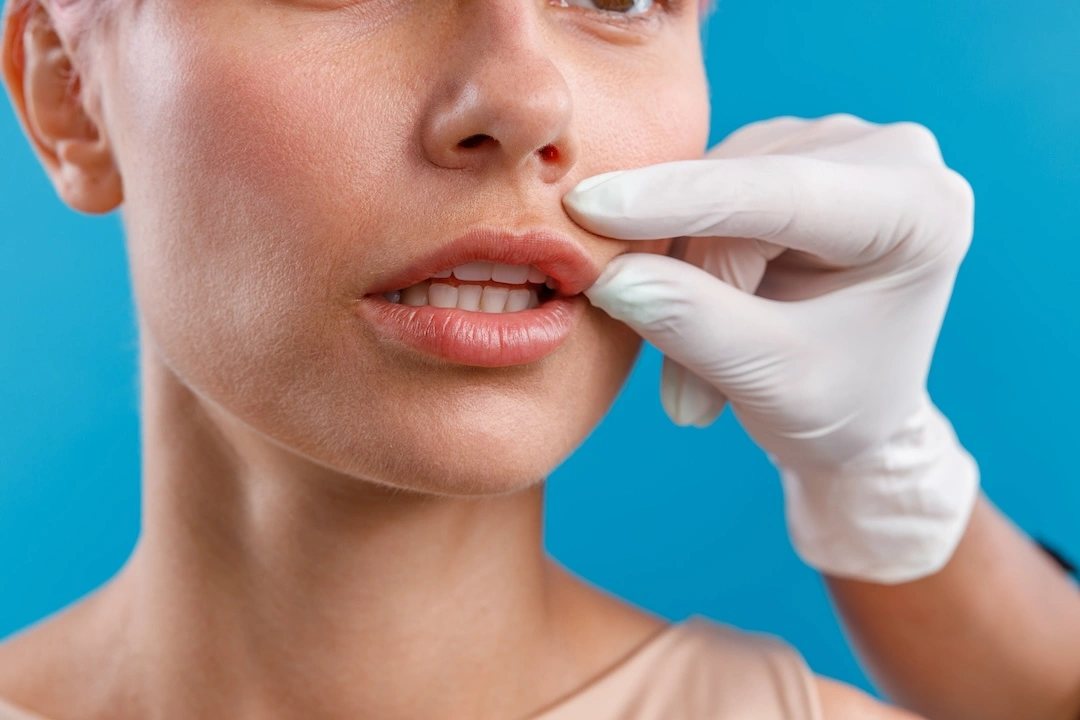
Lip filler treatments should always be performed by a qualified, registered medical professional.
UK Regulations: Who Can Legally Perform Lip Fillers?
One of the most significant improvements to lip filler safety in the UK in recent years is the introduction of tighter legal controls. Under the Botulinum Toxin and Cosmetic Fillers (Children) Act 2021, it is illegal to administer cosmetic fillers or botulinum toxin to anyone under the age of 18 in England, regardless of parental consent.
Since October 2023, regulations have gone further still. Botulinum toxin injections can now only be administered by, or under the direct supervision of, a prescribing healthcare professional. The Medicines and Healthcare products Regulatory Agency (MHRA) continues to work alongside these legislative changes to improve standards across the non-surgical aesthetics sector.
Importantly, hyaluronidase, the enzyme used to dissolve hyaluronic acid fillers in an emergency or when correction is needed, is a prescription-only medication in the UK. This means it must be prescribed and administered by a qualified healthcare professional. If your practitioner is not medically qualified, they cannot access this reversal agent, which significantly increases your risk in the event of a complication.
How to Choose a Qualified Practitioner
The single most important decision you will make when considering lip fillers is who performs your treatment. The NHS advises that you always choose a registered medical professional with specific training in facial anatomy and injectable treatments.
What to Look For
Before booking any aesthetics appointment, check that your practitioner is registered with a recognised body such as the Joint Council for Cosmetic Practitioners (JCCP), a government-approved standards authority for the non-surgical cosmetic sector. You should also verify that they hold a relevant medical qualification, such as a doctor, nurse prescriber, or dentist with specialist aesthetics training.
Ask to see a portfolio of their work, confirm they operate from a registered clinical environment, and check that they carry professional indemnity insurance. At Abbey Wood Hospital, Dr Hakan Tekin, our Aesthetics and Plastic Surgery specialist, brings a high level of medical expertise to every treatment, ensuring your safety is prioritised throughout.
Red Flags to Avoid
Be cautious of practitioners offering significantly discounted treatments, operating from non-clinical settings such as salons or pop-up events, or unable to confirm their medical registration. If a practitioner cannot tell you what product they are using or cannot access emergency reversal agents, do not proceed with treatment.
What to Expect at Your Consultation and Treatment
A responsible clinic will always offer a consultation before any lip filler treatment is carried out. This is your opportunity to discuss your goals, review your medical history, and ask questions. No reputable practitioner should proceed without one.
On the day of your treatment, a topical numbing cream is usually applied to the lips beforehand to minimise discomfort. The injection itself typically takes between fifteen and thirty minutes. Most hyaluronic acid fillers also contain lidocaine (a local anaesthetic) to make the experience more comfortable.
You will likely see some swelling and possibly bruising immediately afterwards. This is completely typical and usually settles within one to two weeks. Results become clearer once the initial swelling has reduced.
Our Aesthetics team at Abbey Wood Hospital follows a thorough consultation process, ensuring every patient fully understands the procedure, recovery, and realistic outcomes before treatment begins.
Lip Filler Risks and Side Effects You Should Know About
Lip filler safety in the UK is a serious consideration. While most people tolerate treatment well, there are risks that every patient should understand before proceeding.
Common Side Effects
Swelling, bruising, redness, and tenderness at the injection site are all common and expected in the days following treatment. Small lumps or unevenness can sometimes occur but usually settle on their own or can be gently massaged away by your practitioner.
Serious Complications
More serious complications are rare but can occur. Vascular occlusion, where filler is inadvertently injected into or compresses a blood vessel, is among the most significant risks. In a global survey of experienced injectors, 62% reported encountering at least one vascular event during their career. If untreated, this can lead to tissue death (necrosis).
The overall incidence of skin necrosis across all dermal filler treatments is estimated at around 1 in 100,000 cases, according to clinical data. While rare, this underlines why having a medically qualified practitioner who can respond quickly to complications is so important.
Other potential complications include infection, allergic reaction, and filler migration over time.
What Happens If Something Goes Wrong?
Hyaluronic acid fillers have one significant advantage over some other filler types: they can be dissolved. Hyaluronidase is an enzyme that breaks down hyaluronic acid and is used to reverse the effects of HA fillers, typically showing full results within two weeks. In emergency situations such as vascular occlusion, high-dose protocols can be applied immediately to help restore blood flow.
Because hyaluronidase is a prescription-only medication in the UK, it must be held and administered by a prescribing medical professional. This is one of the strongest reasons to choose a medically led clinic for your treatment. If a complication arises, your practitioner needs to be able to act immediately.
If you ever experience severe or worsening pain, skin discolouration, or any sudden visual changes following a filler treatment, seek urgent medical attention immediately. Our London Urgent Care Centre is open seven days a week and is here to help if you have concerns following an aesthetic procedure.
Aftercare: Looking After Your Lips
Following your practitioner’s aftercare guidance will help you achieve the best results and reduce the risk of complications. General advice typically includes:
- Avoiding strenuous exercise for 24 to 48 hours
- Staying out of extreme heat (saunas, hot tubs, direct sunlight) for at least 48 hours
- Not touching or pressing on the lips in the days following treatment
- Keeping the area clean and avoiding heavy lip products initially
- Attending any follow-up appointment your practitioner recommends
If you notice anything unusual during your recovery, do not hesitate to contact your treating clinic. Concerns should always be taken seriously.
Frequently Asked Questions
Are lip fillers safe in the UK?
Lip fillers can be safe when performed by a qualified medical professional in a registered clinical setting using approved products. Risks increase significantly when treatment is carried out by unqualified individuals or in non-clinical environments. Always check your practitioner’s registration and medical credentials before booking.
How long do lip fillers last?
Most hyaluronic acid lip fillers last between six and twelve months, though clinical evidence suggests filler material can persist in the tissue for longer. Results vary depending on the product used, the amount injected, and your individual metabolism.
Can lip fillers be reversed?
Yes. Hyaluronic acid fillers can be dissolved using an enzyme called hyaluronidase, which is a prescription-only medication in the UK. It is typically used to correct unsatisfactory results or, in urgent cases, to treat complications such as vascular occlusion. Full results from dissolution are usually visible within two weeks.
Can under-18s have lip fillers in the UK?
No. Under the Botulinum Toxin and Cosmetic Fillers (Children) Act 2021, it is illegal to administer cosmetic fillers or botulinum toxin to anyone under the age of 18 in England, regardless of parental consent.
What should I ask at my lip filler consultation?
Ask about your practitioner’s medical qualifications and registration, which product will be used, what the risks are, whether hyaluronidase is available on site in case of emergency, and what the aftercare process involves. A good practitioner will welcome all of these questions.
Book a Lip Filler Consultation at Abbey Wood Hospital
If you are considering lip filler treatment for the first time, starting with a thorough, unhurried consultation at a medically led clinic is the right approach. At Abbey Wood Hospital, our Aesthetics team provides expert injectable treatments in a safe, clinical environment, with your wellbeing at the centre of everything we do. Whether you have questions about the procedure, want to understand your options, or are ready to book, we are here to help.
Contact Abbey Wood Hospital at Page Street, Mill Hill, London NW7 2ED. We are open 8am to 8pm Monday to Friday and 9am to 6pm at weekends. For more information, call 020 8358 7100 or book an appointment online.
This article provides general health information and does not constitute medical advice. Always consult a qualified healthcare professional for diagnosis and treatment tailored to your individual needs. If you experience severe pain, skin discolouration, or sudden visual changes following a dermal filler treatment, seek urgent medical attention immediately.